
Stotra decoded · या देवी सर्वभूतेषु
Ya Devi Sarvabhuteshu: meaning, word by word
Devi Mahatmya, chapter 5 (Markandeya Purana) · the hymn to Aparajita, known as the Tantrokta Devi Suktam
या देवी सर्वभूतेषु शक्तिरूपेण संस्थिता ।
नमस्तस्यै नमस्तस्यै नमस्तस्यै नमो नमः ॥namastasyai namastasyai namastasyai namo namaḥ ||
In plain EnglishTo the Goddess who abides in all beings in the form of power: salutation to Her, salutation to Her, salutation to Her, again and again.
Word by word
| याyā | she who. |
|---|---|
| देवीdevī | the Goddess, the shining one. |
| सर्वभूतेषुsarva-bhūteṣu | in all beings. |
| शक्तिरूपेणśakti-rūpeṇa | in the form of power. |
| संस्थिताsaṃsthitā | abides; stands established. |
| नमः तस्यैnamaḥ tasyai | salutation to Her. Spoken three times. |
| नमो नमःnamo namaḥ | salutation, and again salutation. |
Where the verse comes from
It belongs to chapter 5 of the Devi Mahatmya. The gods have lost their place to the asuras. They go to the Himalaya and call on the Goddess with a long hymn that opens namo devyai mahādevyai. The hymn addresses Her as Aparajita, the Unconquered, and it is widely known as the Tantrokta Devi Suktam.
Its heart is one sentence said over and over, with one word changed each time: She who abides in all beings as … In the commonly printed text the verse shown above, with the word śakti, is counted as verses 32 to 34 of the chapter, because the threefold salutation is counted as three.
The twenty-one forms
Here is the full sequence as it stands in the commonly printed text. Some recensions add three more: dhṛti (steadfastness), nīti (right conduct) and puṣṭi (nourishment).
- विष्णुमायाviṣṇumāyāthe veiling power of Vishnu
- चेतनाcetanāconsciousness
- बुद्धिbuddhiintelligence
- निद्राnidrāsleep
- क्षुधाkṣudhāhunger
- छायाchāyāshadow, reflection
- शक्तिśaktipower
- तृष्णाtṛṣṇāthirst
- क्षान्तिkṣāntiforbearance
- जातिjātibirth, kind
- लज्जाlajjāmodesty
- शान्तिśāntipeace
- श्रद्धाśraddhāfaith
- कान्तिkāntiloveliness
- लक्ष्मीlakṣmīgood fortune
- वृत्तिvṛttiactivity, livelihood
- स्मृतिsmṛtimemory
- दयाdayācompassion
- तुष्टिtuṣṭicontentment
- मातृmātṛthe mother
- भ्रान्तिbhrāntierror
The secret of the list
Read the list slowly and it surprises. It holds what we would expect: intelligence, peace, faith, compassion, the mother. It also holds sleep, hunger, thirst and shadow. And it ends with bhrānti, error.
That is the teaching of the hymn. The Goddess is saluted in the states we welcome and equally in the ones we push away. The hunger of a living body is Her presence. So is the mistake by which a mind learns. Nothing a being passes through lies outside Her.
The verses that follow the list praise Her as the one who pervades everything, and as citi, pure awareness.
How it is used
The hymn is recited during Navratri and in the daily reading of the Saptashati, and its verses are sung on their own in homes and temples everywhere. Anyone may recite it.
Questions people ask
- Where is Ya Devi Sarvabhuteshu from?It is from chapter 5 of the Devi Mahatmya (Durga Saptashati), in the hymn the gods sing to the Goddess Aparajita, known as the Tantrokta Devi Suktam.
- How many forms of the Goddess does the hymn name?The commonly printed text names twenty-one, from Vishnumaya to bhranti (error). Some recensions add dhriti, niti and pushti.
- Why does the hymn include hunger, sleep and error?Because it salutes the Goddess in every state a living being passes through, the welcome ones and the unwelcome ones alike.
Sources for this page
- “Devīsūktam (Chandipatha)”, Wikipedia: Sanskrit text of the hymn, its place in chapter 5, and the forms found only in some recensions
- Verse numbering (the śakti verse as 5.32–34) and the order of the twenty-one forms follow the Durga Saptashati text as published by Drik Panchang, fifth chapter.
The Sanskrit text above is given as it stands in the sources named here. The English rendering and the notes are our own. Found a slip? Please tell us and it will be checked and corrected.
Personal guidance · व्यक्तिगत मार्गदर्शन
A verse is the same for everyone who recites it. Your question is your own.
Two ways to receive guidance from the Mahakali Tantra lineage, wherever you live.
 Live · 15 minutes · private video call
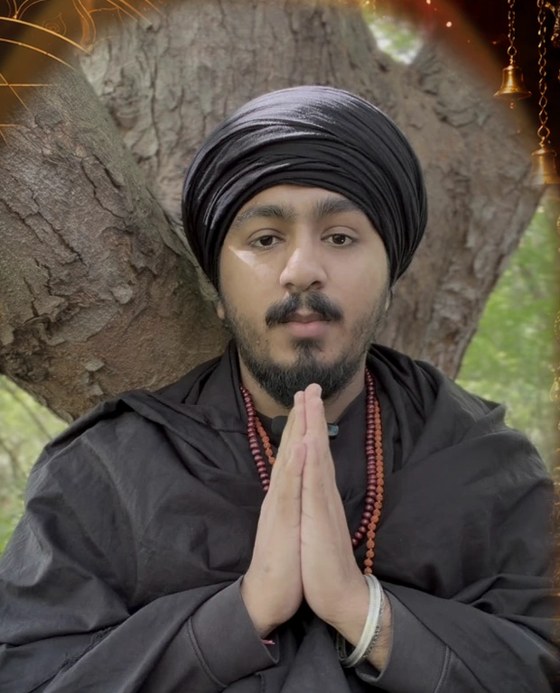
Speak with Acharya Shri Jashanpreet Singh Ji
Bring one question about your sadhana or your path. You meet the Acharya face to face on a private video call and leave with one practical next step.
per session
Book a 15-minute video session →
 Written report · 24–28 pages · confidential
The Ultimate Spiritual Analysis
A personal report prepared individually for you by Guru Amitacharya and the Mahakali Tantra Pith: Vedic astrology, aura and chakra reading, face and palm study, and a practical remedy plan, delivered as a private PDF.
See what the report covers →
Guidance is spiritual in nature, given honestly and for your good. Payment is secured by Razorpay in Canadian or US dollars.