
Stotra decoded · कालभैरवाष्टकम्
Kalabhairava Ashtakam: all eight verses, with meaning
Kalabhairava Ashtakam, all eight verses · traditionally attributed to Adi Shankaracharya
देवराजसेव्यमानपावनाङ्घ्रिपङ्कजं
व्यालयज्ञसूत्रमिन्दुशेखरं कृपाकरम् ।
नारदादियोगिवृन्दवन्दितं दिगम्बरं
काशिकापुराधिनाथकालभैरवं भजे ॥vyālayajñasūtram induśekharaṃ kṛpākaram |
nāradādiyogivṛndavanditaṃ digambaraṃ
kāśikāpurādhināthakālabhairavaṃ bhaje ||
In plain EnglishI worship Kalabhairava, sovereign of the city of Kashi: whose pure lotus feet are served by the king of the gods, who wears a serpent as his sacred thread and the moon upon his head, who is a mine of compassion, who is praised by Narada and the hosts of yogis, and whose only garment is the sky.
Word by word
| देवराजdeva-rāja | the king of the gods, Indra. |
|---|---|
| सेव्यमानsevyamāna | being served, attended upon. |
| पावनpāvana | pure and purifying. |
| अङ्घ्रिपङ्कजम्aṅghri-paṅkajam | lotus feet. |
| व्यालयज्ञसूत्रम्vyāla-yajña-sūtram | whose sacred thread is a serpent. |
| इन्दुशेखरम्indu-śekharam | who wears the moon as his crest. |
| कृपाकरम्kṛpākaram | full of compassion; literally a mine (ākara) of compassion (kṛpā). |
| नारदादियोगिवृन्दवन्दितम्nārada-ādi-yogi-vṛnda-vanditam | praised by the hosts of yogis, Narada first among them. |
| दिगम्बरम्dig-ambaram | clothed in the directions; sky-clad. |
| काशिकापुराधिनाथkāśikā-pura-adhinātha | sovereign lord of the city of Kashi. |
| कालभैरवम्kāla-bhairavam | Kalabhairava: Bhairava as Time. |
| भजेbhaje | I worship; I give myself to. |
Where the verse comes from
An ashtakam is a hymn of eight verses. This one praises Kalabhairava, the form of Shiva who presides over Kashi, and tradition attributes it to Adi Shankaracharya. A closely related text of the hymn is also found in the Shivarahasya, in a dialogue between Shiva and Parvati.
Each of the eight verses ends with the same line: kāśikāpurādhināthakālabhairavaṃ bhaje, I worship Kalabhairava, sovereign of the city of Kashi. The opening verse is decoded word by word above. All eight verses follow further down, each with its meaning.
Fearsome, and first of all kind
Kāla is time, and time is what every living thing fears. Bhairava is the awe-inspiring form of Shiva. The name joins the two, and one would expect the hymn to begin with dread.
It begins elsewhere. The first thing said is that his feet purify and that the king of the gods serves them. Then come the serpent and the moon. And then, before the verse is half over, comes the word kṛpākara: a mine of compassion.
This is how the hymn reads Bhairava. The Lord of Time is the one who frees a person from the fear of time. His fierceness is turned toward what binds us.
Digambara completes the picture. He wears the directions themselves, which is a way of saying that nothing covers him and nothing contains him.
Verses two to eight, and the closing verse
Each verse adds to the portrait: his radiance, his weapons, his tenderness, his guardianship of dharma, and at last his lordship over every unseen being. The closing verse tells what the hymn gives to those who recite it.
भानुकोटिभास्वरं भवाब्धितारकं परं
नीलकण्ठमीप्सितार्थदायकं त्रिलोचनम् ।
कालकालमम्बुजाक्षमक्षशूलमक्षरं
काशिकापुराधिनाथकालभैरवं भजे ॥bhānukoṭibhāsvaraṃ bhavābdhitārakaṃ paraṃ
nīlakaṇṭham īpsitārthadāyakaṃ trilocanam |
kālakālam ambujākṣam akṣaśūlam akṣaraṃ
kāśikāpurādhināthakālabhairavaṃ bhaje ||
Radiant as ten million suns, the supreme one who carries us across the ocean of becoming. Blue-throated and three-eyed, he grants what the heart longs for. He is the death of Death, lotus-eyed, bearer of the trident, the imperishable.
शूलटङ्कपाशदण्डपाणिमादिकारणं
श्यामकायमादिदेवमक्षरं निरामयम् ।
भीमविक्रमं प्रभुं विचित्रताण्डवप्रियं
काशिकापुराधिनाथकालभैरवं भजे ॥śūlaṭaṅkapāśadaṇḍapāṇim ādikāraṇaṃ
śyāmakāyam ādidevam akṣaraṃ nirāmayam |
bhīmavikramaṃ prabhuṃ vicitratāṇḍavapriyaṃ
kāśikāpurādhināthakālabhairavaṃ bhaje ||
In his hands are the trident, the axe, the noose and the staff. He is the first cause, dark of body, the primal God, imperishable and free of every affliction: the Lord of fearsome valour, who delights in the wondrous tāṇḍava dance.
भुक्तिमुक्तिदायकं प्रशस्तचारुविग्रहं
भक्तवत्सलं स्थितं समस्तलोकविग्रहम् ।
विनिक्वणन्मनोज्ञहेमकिङ्किणीलसत्कटिं
काशिकापुराधिनाथकालभैरवं भजे ॥bhuktimuktidāyakaṃ praśastacāruvigrahaṃ
bhaktavatsalaṃ sthitaṃ samastalokavigraham |
vinikvaṇanmanojñahemakiṅkiṇīlasatkaṭiṃ
kāśikāpurādhināthakālabhairavaṃ bhaje ||
He gives both the enjoyment of this world and freedom from it. His form is auspicious and beautiful. He is tender toward his devotees and abides as the body of all the worlds, and at his waist a girdle of golden bells chimes sweetly.
धर्मसेतुपालकं त्वधर्ममार्गनाशकं
कर्मपाशमोचकं सुशर्मदायकं विभुम् ।
स्वर्णवर्णशेषपाशशोभिताङ्गमण्डलं
काशिकापुराधिनाथकालभैरवं भजे ॥dharmasetupālakaṃ tv adharmamārganāśakaṃ
karmapāśamocakaṃ suśarmadāyakaṃ vibhum |
svarṇavarṇaśeṣapāśaśobhitāṅgamaṇḍalaṃ
kāśikāpurādhināthakālabhairavaṃ bhaje ||
He guards the bridge of dharma and destroys the roads of adharma. He loosens the noose of karma and gives true well-being. He is all-pervading, and his limbs are adorned with coils of golden serpents.
रत्नपादुकाप्रभाभिरामपादयुग्मकं
नित्यमद्वितीयमिष्टदैवतं निरञ्जनम् ।
मृत्युदर्पनाशनं करालदंष्ट्रमोक्षणं
काशिकापुराधिनाथकालभैरवं भजे ॥ratnapādukāprabhābhirāmapādayugmakaṃ
nityam advitīyam iṣṭadaivataṃ nirañjanam |
mṛtyudarpanāśanaṃ karāladaṃṣṭramokṣaṇaṃ
kāśikāpurādhināthakālabhairavaṃ bhaje ||
His two feet are lovely in the glow of jewelled sandals. He is eternal, without a second, the chosen deity, stainless. He breaks the pride of Death, and his fearsome fangs set us free.
अट्टहासभिन्नपद्मजाण्डकोशसन्ततिं
दृष्टिपातनष्टपापजालमुग्रशासनम् ।
अष्टसिद्धिदायकं कपालमालिकाधरं
काशिकापुराधिनाथकालभैरवं भजे ॥aṭṭahāsabhinnapadmajāṇḍakośasantatiṃ
dṛṣṭipātanaṣṭapāpajālam ugraśāsanam |
aṣṭasiddhidāyakaṃ kapālamālikādharaṃ
kāśikāpurādhināthakālabhairavaṃ bhaje ||
His roar of laughter splits the shells of Brahma’s cosmic eggs. A single glance from him destroys the whole net of sins. His rule is stern. He grants the eight siddhis and wears the garland of skulls.
भूतसङ्घनायकं विशालकीर्तिदायकं
काशिवासलोकपुण्यपापशोधकं विभुम् ।
नीतिमार्गकोविदं पुरातनं जगत्पतिं
काशिकापुराधिनाथकालभैरवं भजे ॥bhūtasaṅghanāyakaṃ viśālakīrtidāyakaṃ
kāśivāsalokapuṇyapāpaśodhakaṃ vibhum |
nītimārgakovidaṃ purātanaṃ jagatpatiṃ
kāśikāpurādhināthakālabhairavaṃ bhaje ||
He leads the hosts of spirits and grants wide renown. All-pervading, he weighs and purifies the merit and the sin of everyone who dwells in Kashi. He is the master of the path of right conduct, the ancient one, Lord of the universe.
कालभैरवाष्टकं पठन्ति ये मनोहरं
ज्ञानमुक्तिसाधनं विचित्रपुण्यवर्धनम् ।
शोकमोहदैन्यलोभकोपतापनाशनं
ते प्रयान्ति कालभैरवाङ्घ्रिसन्निधिं ध्रुवम् ॥kālabhairavāṣṭakaṃ paṭhanti ye manoharaṃ
jñānamuktisādhanaṃ vicitrapuṇyavardhanam |
śokamohadainyalobhakopatāpanāśanaṃ
te prayānti kālabhairavāṅghrisannidhiṃ dhruvam ||
Those who recite this beautiful Kalabhairava Ashtakam, a means to knowledge and liberation that increases merit of many kinds and destroys grief, delusion, wretchedness, greed, anger and burning pain, surely reach the presence of Kalabhairava’s feet.
How it is used
The ashtakam is sung in Kashi and in Bhairava shrines everywhere, and many people recite it on Kalashtami and on Kaal Bhairav Jayanti. As a hymn of praise it is open to everyone.
The mantra practice of Bhairava is a different matter. It is given by a teacher through diksha, and this site introduces it without printing it. To begin gently, see the guide to Batuk Bhairav sadhana.
Questions people ask
- Who wrote the Kalabhairava Ashtakam?Tradition attributes it to Adi Shankaracharya. A closely related version of the hymn is also found in the Shivarahasya.
- What does Kashikapuradhinatha mean?It means sovereign lord of the city of Kashi. It is part of the line that closes each of the eight verses.
- What does Digambara mean?It means clothed in the directions, or sky-clad: one whom nothing covers and nothing contains.
Sources for this page
- “Kalabhairavashtakam”, Wikipedia: verse 1 in transliteration, with the attribution to Adi Shankara. The Devanagari on this page is set from that transliteration.
- Kālabhairavāṣṭakam from the Śivarahasya (chapter 34), Sanskrit Documents: the related version and its note on the Shankara text
- Verses 2 to 8 and the closing verse were checked line by line against the transcriptions published by greenmesg.org and shlokam.org, which agree. In the last line of the closing verse some texts read prayānti kālabhairavāṅghrisannidhiṃ narā dhruvam.
The Sanskrit text above is given as it stands in the sources named here. The English rendering and the notes are our own. Found a slip? Please tell us and it will be checked and corrected.
Personal guidance · व्यक्तिगत मार्गदर्शन
A verse is the same for everyone who recites it. Your question is your own.
Two ways to receive guidance from the Mahakali Tantra lineage, wherever you live.
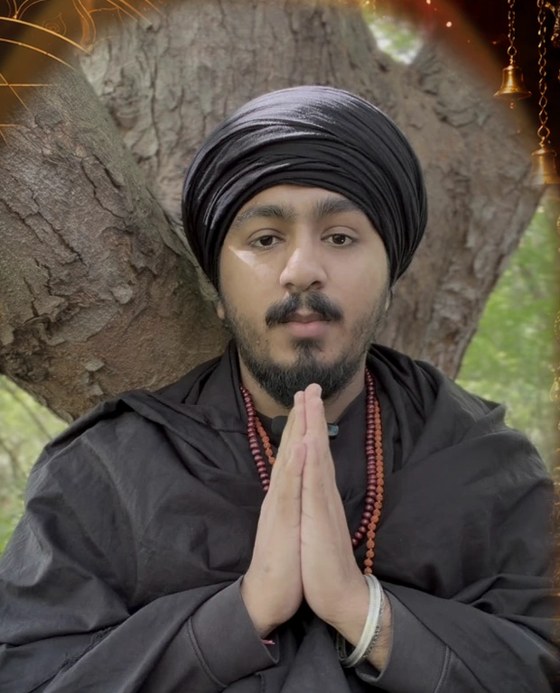 Live · 15 minutes · private video call
Speak with Acharya Shri Jashanpreet Singh Ji
Bring one question about your sadhana or your path. You meet the Acharya face to face on a private video call and leave with one practical next step.
per session
Book a 15-minute video session →
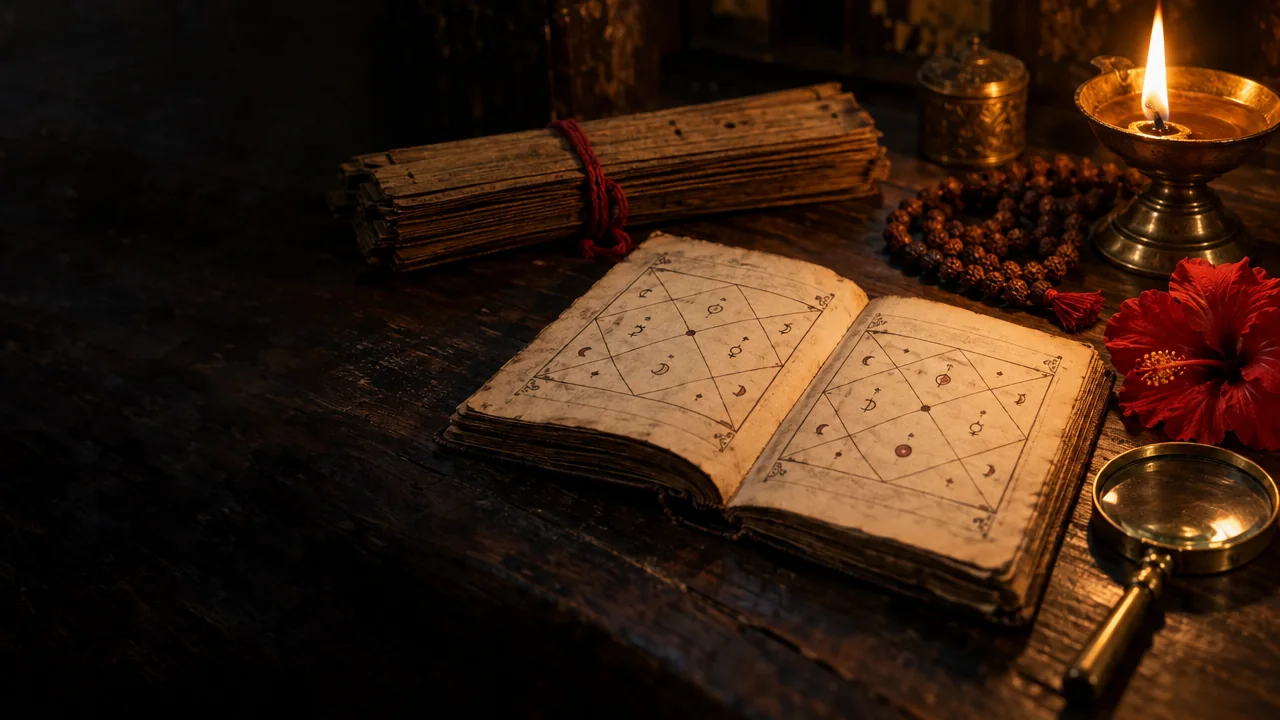 Written report · 24–28 pages · confidential
The Ultimate Spiritual Analysis
A personal report prepared individually for you by Guru Amitacharya and the Mahakali Tantra Pith: Vedic astrology, aura and chakra reading, face and palm study, and a practical remedy plan, delivered as a private PDF.
See what the report covers →
Guidance is spiritual in nature, given honestly and for your good. Payment is secured by Razorpay in Canadian or US dollars.